From Living Room to World Player: How Globachem Grew on Trust
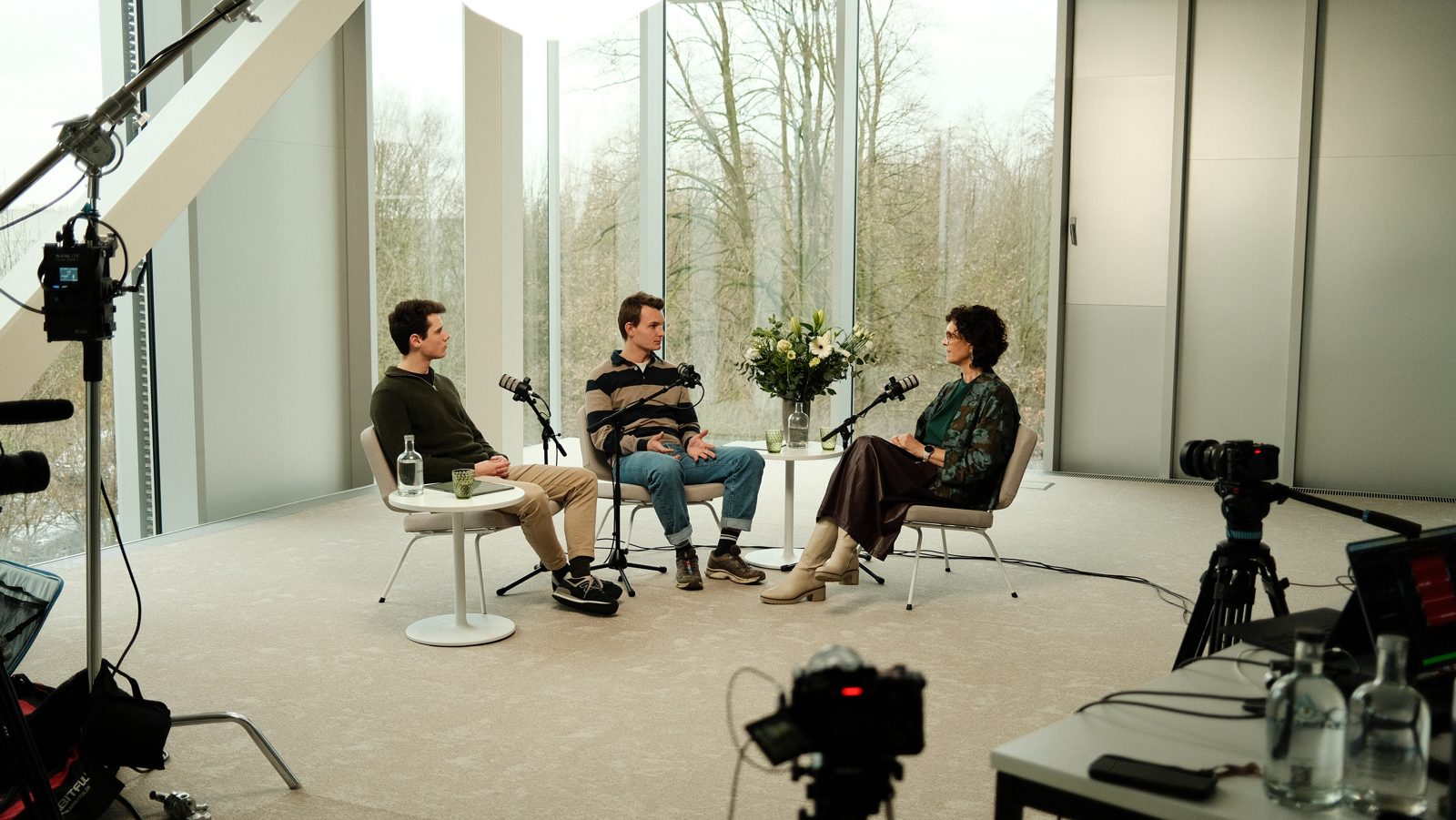
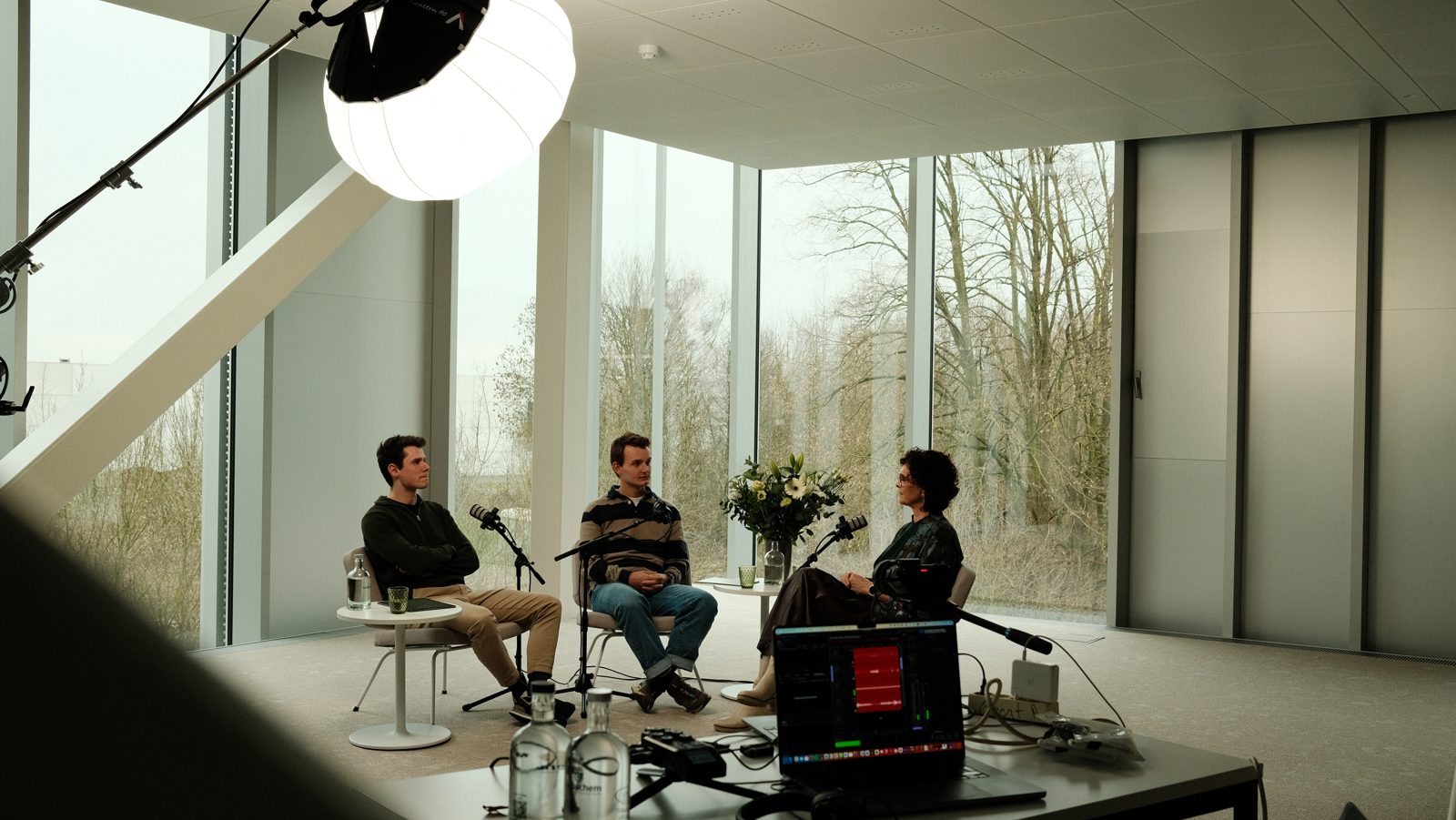
With Els Paesmans, Co-founder and CEO of Globachem. Hosted by Stijn Van Daele and Jeroen De Broyer.
Els Paesmans, co-founder and CEO of Globachem, explains how a crop protection company that started in the family home became a global player without outside capital: reliability and flexibility as commercial excellence, a product portfolio as growth engine, commercial validation before innovation, and a culture of shared values.
Els Paesmans and her husband started Globachem around the year 2000 from their family home in Limburg. Today the company develops, registers and markets crop protection products for farmers in around 50 countries and has more than 150 employees, with research centres from Belgium to the United Kingdom. Paesmans says Globachem passed 300 million euros in revenue last year. They started as a small generic player and moved towards specialties and innovation.
In this conversation she explains what commercial excellence means in a business where timing and registrations decide everything: how Globachem works with distributors and moves closer to the market, why half of its people work on innovation, how it prioritises projects, and how it keeps a culture together across countries.
This episode is spoken in Dutch. The summary and quotes below are our own English version of what was said.
Key lessons
Commercial excellence is reliability and flexibility
For Paesmans it means being a reliable partner: delivering on time, which matters when a product has to be applied before a crop emerges, delivering good quality, communicating about problems and handling complaints professionally. Flexibility and speed were how Globachem stood out against large multinationals. Because the weather decides how many treatments a season needs, the company asks customers for forecasts and tries to anticipate extra demand before they notice it.
The product portfolio is the growth engine
Globachem has three groups. The first are mature, out-of-patent products, where it started. The second are specialties with added value, for example combining two active substances or extending a product to another crop or disease. The third are innovations. With fewer new active substances reaching the market, the company shifted from generic products to specialties. The profit of the first two groups finances the innovations.
Registration is the gate, and half the team works on it
A product may only be sold after a government approval, which is needed per country, with its own label and recognition number. About half of Globachem's staff works on innovation: R&D, building the dossiers and running field trials that prove a product works on each crop and disease. Legally Globachem is a manufacturer without a factory, since formulation and filling are outsourced. Paesmans says that starting from zero today would be much harder and more expensive.
Plan for very long innovation cycles
From proof of concept to a natural product on the market takes about ten years, and a new screening starts a cycle of around fifteen. She says the company jokingly calls R&D "risk and disruption". Because the cycles are so long, the aim is not an extra two percent over today's product but something that is still ahead in fifteen years.
Validate commercially before investing in innovation
Globachem learned the hard way that an innovative product does not sell if customers are not waiting for it. Before the registration phase it now builds a business plan: which crops, which countries, what potential, and is it big enough to repay development cost. A project tool tracks every product from idea to commercialisation, and a risk assessment manager checks early whether a product could fail on toxicity or ecotoxicity, so that expensive trials are done only on the right candidates.
Go deeper into the market, country by country
So far Globachem worked with one national distributor per country. It now wants to move one step deeper, to keep part of the distribution margin and be closer to the market, and hires country managers and technical-commercial people. Every market is different: in Denmark two customers make up 80 percent of the market, while in Italy there are thousands. The deeper you go, the harder forecasting becomes.
Prove it in the field, because a farmer buys what works
For out-of-patent products you have to be cheaper. For new products Globachem sets up demonstration trials with distributors, where farmers can compare plots side by side. A farmer buys a product when it works and fits how they already work, price is very important, and only then comes sustainability, she says. Many biological alternatives work less well, so farmers will not pay more for them.
Prioritise a portfolio, and balance short and long term
Globachem set up a portfolio management team that lists and prioritises all projects, with a view on costs in the coming years, and keeps room for quick wins. The criteria include the potential gross margin, whether the product can be registered, produced and delivered in a country, and whether a distribution channel exists.
Build culture on shared values and real connection
Globachem defined its family values with the whole team in 2018: flexibility, fun, respect, ambition, innovation and family. It brings everyone together once a year, including colleagues from abroad, runs a monthly international week so that visitors meet at the same time, and trained every employee in connecting communication. New hires say they like seeing that the values are real, not only on paper.
Change roles as the company grows, and accept the trade-offs
Around 150 people, Paesmans says, is a hinge point that needs more structure. After a leadership programme, the founders changed roles: her husband became Chief Visionary Officer, back to product, innovation and key relationships, and she became the sole CEO. They added an advisory board and use assessments in hiring. She also notes that staying flexible with stock costs working capital, so growth always involves a balance.
In his words
Short quotes, translated from Dutch. Times are approximate.
If a product has to be applied before the beets emerge, you cannot come a week later.
Els Paesmans, around 2:30
We do not call R&D research and development, but risk and disruption.
Els Paesmans, around 16:30
A farmer buys a product when it works. Only then comes sustainability, unfortunately.
Els Paesmans, around 26:30
Chapters
- 1:00 Who Els is and what Globachem does
- 2:00 What commercial excellence means
- 3:00 Flexibility and forecasts
- 4:00 Going global and deeper into the market
- 7:00 Finding new customers and keeping them
- 9:00 Registration: why products need approval per country
- 11:30 What a good product portfolio is
- 15:30 Innovation cycles: ten to fifteen years
- 17:30 Commercial validation before investing
- 19:00 The role of marketing and risk assessment
- 23:00 Metrics and forecasting a year with no AI tools
- 26:00 How farmers decide, and demonstration trials
- 27:00 Portfolio management: short versus long term
- 30:00 Culture and family values
- 32:00 Working as a couple: from living room to company
- 35:00 Leadership: Chief Visionary Officer and CEO
- 38:00 How the team is organised
- 41:00 AI and the digital office
- 42:00 Leadership development and connecting communication
- 46:00 Why they went international from the start
- 47:00 Ambition: positive impact for farmers and society
- 49:00 Building a management team, and what she would do differently
- 52:00 Flexibility versus working capital